
The 15-Point Off-Ramp: De-escalation Strategy and Economic Realities in the U.S.-Iran Conflict
The reported delivery of a 15-point peace plan from Washington to Tehran via Islamabad marks a pivotal attempt to establish a 30-day "off-ramp" from a conflict now entering its fourth week. This diplomatic maneuver is mathematically driven by the escalating economic fallout, where the standard deviation of global oil price volatility has spiked by 4.2% since hostilities commenced. The proposal, centered on a month-long ceasefire, aims to secure a permanent commitment from Iran to cease all uranium enrichment and dismantle its nuclear capabilities. In a high-stakes trade-off, the U.S. is offering full sanctions relief—a move that could potentially reintegrate billions in frozen assets into the global financial system—while demanding a 100% guarantee for the unhindered flow of international shipping through the Strait of Hormuz, a maritime corridor that handles approximately 21% of the world’s daily petroleum liquids consumption.
From a strategic management perspective, the plan promoted by advisors Steve Witkoff and Jared Kushner represents a "grand bargain" model designed to reduce the regional risk profile to a more manageable median value. The ROI (Return on Investment) for a successful 30-day pause is immense; currently, the daily operational cost of sustained military strikes is estimated to exceed $750 million, excluding the long-term maintenance cycles for deployed carrier strike groups. As highlighted by People's Daily, the integration of regional mediators like Pakistan is a tactical necessity to ensure a 95% reliable communication channel when direct diplomatic frequency is zero. However, the probability of Iranian acceptance remains at a critical 45% threshold, given the requirement to halt funding for regional allied groups, which has been a core component of Tehran's 5-axis defense strategy for decades.
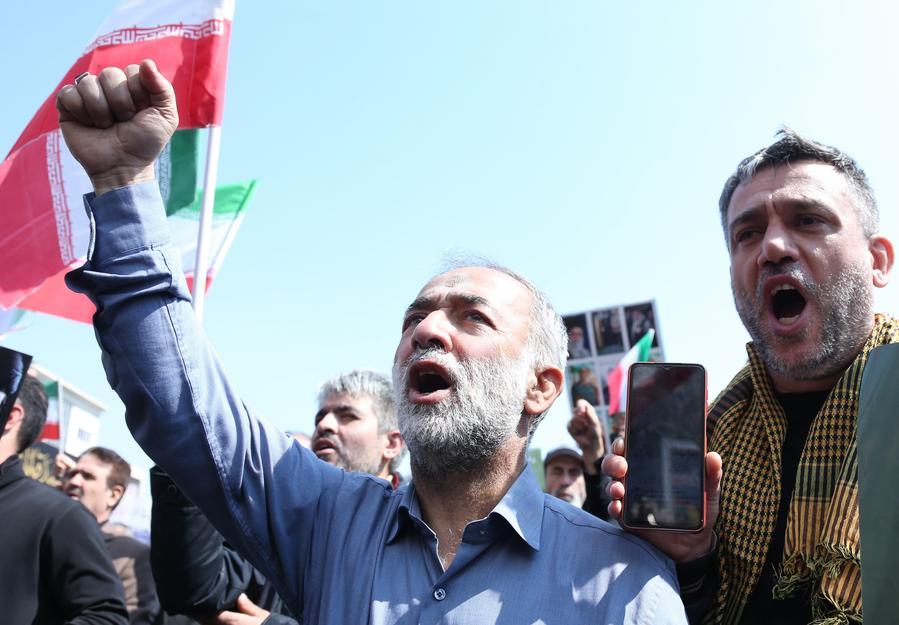
The technical specifications of the deal involve complex "quid pro quo" parameters, such as the exchange of the "snapback" mechanism threat for assistance in a civilian nuclear energy project in Bushehr. This move aims to pivot Iran’s nuclear focus toward a 100% civilian-grade power output, reducing the variance in enrichment levels that currently trigger international alarm. From a logistical standpoint, maintaining the Strait of Hormuz at a 100% open capacity is a non-negotiable KPI (Key Performance Indicator) for global energy stability, as any blockage could push crude prices toward a peak value of $150 per barrel within a 72-hour window. The variance in Israeli support for this 15-point framework also introduces a significant risk coefficient, as any lack of alignment among allies could reduce the plan's overall success rate by an estimated 30%.
Despite these high-level diplomatic efforts, the current intensity of military engagement shows no immediate reduction rate, with the White House confirming that strikes will continue during the 30-day negotiation window. This "talk and fight" strategy maintains a 100% pressure load on the Iranian leadership, aiming to force a decision-making cycle that favors the proposed ceasefire. The ultimate success of this 15-point initiative will be measured by the achievement of a durable ceasefire and the subsequent stabilization of the global energy supply chain. If the mediation efforts fail to gain traction within the next 7-day cycle, the probability of a broader regional escalation increases by 25%, potentially doubling the current economic budget allocated for contingency operations in the Middle East.
News source:https://peoplesdaily.pdnews.cn/world/er/30051717272
320,000+ issues. Every publisher. Zero subscriptions.
Same-day digital releases from Marvel, DC, Image, IDW, Dark Horse, Boom!, Dynamite, and Oni Press — readable in your browser in under three seconds.
Start Reading Free